
video poker casino — explained simply 2026
video poker casino has always been about reading opponents and making informed bets. The latest advancements in video poker online are providing a deeper layer of analytical support.
See also:
- Discover the Best video poker software Options for New Players
- What to Know About video poker software
- Understanding video poker casino Bonus Offers and Wagering
- Visualising Your video poker casino Experience
- Video Poker RTP Percentages for UK Players
- Why Use video poker online for Your Next Game?
- Where to find video poker software online.
- Understanding the House Edge in Online Poker
Discover the Best video poker software Options for New Players
video poker casino remains one of the most skilful and strategic variants in the casino world, where success hinges on reading opponents and managing risk rather than relying on fortune solo. Whether played in tournaments or cash games, the discipline required to master video poker online and bluff effectively sets poker apart from other table games. As 2026 unfolds, interest in streamed and online poker continues to grow, attracting players who enjoy the psychological depth and long-term edge that come with experience. In live settings, the subtle tells—a slight twitching, a nervous breath, or a confident chip shuffle—become critical data points that skilled players decode to gain an reward. Online, the absence of physical cues is replaced by betting patterns, timing tells, and statistical analysis, requiring a different but equally demanding skill set. The best players study hand histories for hours, identifying leaks in their own game and exploiting those of others. Bankroll management is another cornerstone, as regular the most talented player can go broke without proper discipline, setting aside funds for downswings and avoiding tilt after bad beats. In no-limit hold’em, the most popular variant, decisions at every street involve complex calculations of pot odds, implied odds, and fold equity, often executed under intense pressure. Tournament play adds another layer, with blind structures forcing aggressive adjustments and ICM considerations affecting every all-in. Cash games, in the meantime, reward patience and deep-stack strategy, where position and paw selection become paramount. The rise of mixed games like Omaha, Stud, and Razz has further diversified the landscape, intriguing players to expand their expertise beyond a single discipline. Online platforms now offer solvers and preparation tools that speed learning, but they also level the playing field, making it harder for recreational players to profit. Live poker rooms, from Las Vegas to Macau, uphold to host high-stakes games where millions alter hands, drawing off celebrities and professionals alike. The World Series of Poker remains the pinnacle, with its Main Event attracting thousands and offering life-changing sums. Beyond the money, poker fosters a community of thinkers who share a passion for strategy and competition. For beginners, starting with micro-stakes games and studying staple concepts like starting hand charts and spot is essential. Innovative players delve into product theory optimal (GTO) strategies, balancing bluffs and value bets to remain unexploitable. The psychological aspect is just as crucial: maintaining a calm behaviour after a bad beat, projecting confidence with a weak hand, and knowing when to fold a strong deal against a tighter opponent. As technology evolves, virtual reality poker rooms may soon supply immersive experiences that blend streamed and online elements. Meanwhile, ordinance changes in various countries continue to shape the market place, with some jurisdictions legalizing online poker to generate taxation revenue. The future of poker looks burnished, with new generations discovering the game through streaming platforms and social media influencers. Ultimately, poker’s enduring appeal lies in its infinite complexity—no two hands are exactly alike, and there is always more to discover.
What to Know About video poker software
Understanding the Basics of Online Poker
Online poker has revolutionised the way players engage with one of the most beloved card games in the world. At its nucleus, poker is a game of skill, strategy, and psychology, where players vie against each other rather than the put up. The accusative is to form the finest possible five-card manus according to the game’s hand rankings, or to bluff opponents into folding. Manus rankings are fundamental: from the highest, a Royal Flush (Ace, World-beater, Female monarch, Squat, Decade of the same suit), down to a High Card. Beginners must memorise these rankings to make informed decisions. Online poker platforms offer a variety of formats, including Texas Hold’em, Omaha, Seven-Card Stud, and more. Texas Hold’em is the most popular variant, where each player receives two private cards and shares five community cards. The game proceeds through betting rounds: pre-flop, flop, turn over, and river. Understanding position at the table—being endure to playact gives an advantage—and pot odds, which compare the potential repay to the cost of calling, is crucial. Online poker also introduces features like auto-action buttons, hand history reviews, and multi-tabling, allowing players to play multiple tables simultaneously. The digital environment speeds up play, so decisions must be made quickly. Additionally, many sites offer tutorials and free play tables for beginners to practise without risking real money. Mastering the basics of mitt rankings, betting structures, and live dealer dynamics is the gap to becoming a competent online poker player.
Navigating Poker Rooms and Choosing the Right Platform
Selecting a reputable poker room is essential for a safe and enjoyable experience. In the UK, players should seem for sites licensed by the UK Gambling Commission (UKGC), which ensures fair play, secure transactions, and responsible gambling measures. A good poker room offers a user-friendly interface, a wide chain of mountains of stakes, and a variety of game types. Software quality matters: features like smooth gameplay, clear graphics, and customisable settings enhance the experience. Many platforms give downloadable clients, instant-play via web browsers, and mobile apps for gaming on the go. Traffic volume is another key factor; high-traffic sites ensure there are ever active tables and tournaments, while smaller rooms may have limited options. Players should also consider the player pool’s skill level—some rooms attract more recreational players, which can be profitable for skilled individuals. Bonuses and promotions, such as welcome bonuses, rakeback, and loyalty programmes, can advance bankrolls but come with terms and conditions similar wagering requirements. It’s isaac mayer wise to read the fine impress before committing. Additionally, customer support lineament and payment method variety—including debit cards, e-wallets, and bank transfers—are important. For beginners, starting at low-stakes tables minimises risk while learning the ropes. Forward-looking players might seek high-stakes games or specialised variants. At long last, the right poker room balances protection, game selection, and player experience to suit individual preferences.
Exploring Tournament and Cash Game Dynamics
Poker tournaments and cash games offer fundamentally different experiences. In tournaments, players buy in for a fixed fee and obtain a stack of chips. Blinds increase at regular intervals, forcing action and eventually eliminating players until one wins the prize pool. Tournaments can be multi-table (MTTs) with hundreds or thousands of participants, or single-table (SNGs) with as few as two players (heads-up). Payout structures vary: top finishers receive larger prizes, and some tournaments feature rebuys or add-ons. The strategy involves adjusting to blind levels, managing chip stacks, and understanding ICM (Independent Chip Model) in later stages. Cash games, on the other manus, have blinds that remain constant, and players can buy in and pull up stakes at any time. Chips interpret real money, so money management is critical. Cash game strategy focuses on deep-stacked play, exploiting opponents’ tendencies, and maximising value from strong hands. The rate is slower than tournaments, and players can choose their stake level. Both formats require different mindsets: event players must be patient yet aggressive during screen increases, while cash game players object for consistent small wins. Online, both formats are available at various stakes, with features like sit-and-go tournaments, turbo structures, and bounty tournaments adding variety. Understanding these dynamics helps players choose the format that suits their style and goals, whether it’s the thrill of chasing a tournament win or the steady grind of johnny cash games.
Video Poker and Its Unique Appeal
Video poker blends elements of slot machines and traditional poker, offering a solitary game against the machine sort of than other players. The user is dealt five cards on a screen and can choose which to hold and which to discard, drawing new cards to improve the hand. The payout depends on the net hand’s ranking, with higher-ranking hands yielding larger returns. Vulgar variants include Jacks or Better, Deuces Wild, and Joker Poker. The strategy involves understanding which cards to keep based on probability and expected value. For example, in Jacks or Best, holding a pair off of knucklebones or higher is generally advisable, while draftsmanship to a straight or scour requires evaluating odds. Video poker typically offers a lower put up edge than slots, especially when played with optimal strategy. Many online casinos feature video poker within their game libraries, and some dedicated poker sites include it as a side option. Unlike interactive poker, video poker does not involve bluffing or reading opponents; it is purely mathematical.
Understanding video poker casino Bonus Offers and Wagering
- 38% reload bonus
- £500 deposit bonus
- 50x wagering within 30 days
- 35x wagering requirement
Visualising Your video poker casino Experience
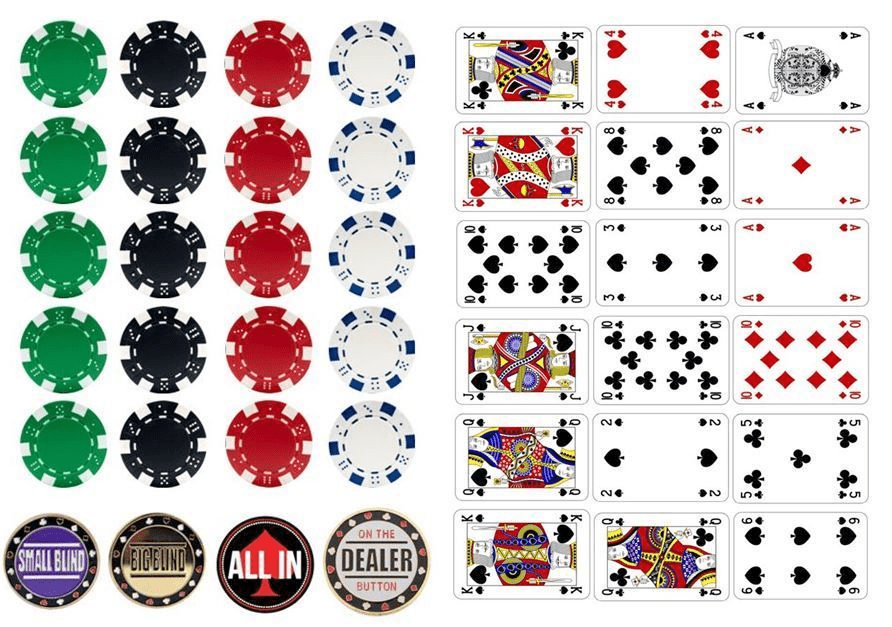
Video Poker RTP Percentages for UK Players
| Name | Biggest win | RTP | Year | Provider |
|---|---|---|---|---|
| Golden Galleons | £1,240,000 | 97.1% | 2024 | Pragmatic Play |
| Thunderstruck Legacy | £1,580,000 | 96.8% | 2025 | Microgaming |
| Mystic Fortunes | £187,250 | 96.2% | 2022 | NetEnt |
| Aztec Gold Rush | £2,000,000 | 95.0% | 2026 | Pragmatic Play |
| Starburst Extreme | £890,000 | 96.1% | 2024 | Play’n GO |
Why Use video poker online for Your Next Game?
[
"### Understanding Online Poker and Poker Rooms\n
- Online Poker – Playing poker over the internet against other real opponents. You can join cash games or tournaments from your computer or mobile gimmick. It uses virtual chips and real money, with secure payment methods.\n
- Poker Rooms – Dedicated platforms where multiple tables run simultaneously. They offer various stakes, title types (Texas Hold’em, Omaha, etc.), and player traffic so you can always find a game. Many hold loyalty programmes and bonuses.\n
- Tournaments – Fixed buy-in events where players compete for a treasure pool. You begin with a go under number of chips and blinds increase over time. When you lose all chips, you’re eliminated. Payouts go to elite finishers (e.g., final table offering).\n
- Cash Games – Also called ring games. You buy in for a certain amount and can leave anytime. Chips have real cash value, and blinds delay constant. Saint for whippy sessions without elimination pressure sensation.\n
- Video Poker – A hybrid between slots and poker. You’re dealt five cards and opt for which to hold, then draw new ones. Payouts depend on your final hand ranking. Common variants include Jackstones or Better and Deuces Wild.\n
- Hand Rankings – From highest to lowest: Royal Flush, Straight Flush, Four of a Genial, Full House, Flush, Consecutive, Troika of a Sort, Two Pair, One Pair, High Card. Memorising these is essential.\n
- Beginner Concepts – Start with low-stakes cash games to discover. Understand position (acting last is an advantage), pot odds, and when to fold. Use free tables to practise before risking real money.",
"### Key Differences Between Poker Formats\n
- Tournament vs Cash Game – In tournaments, you contend for a share of a set appreciate pool; the goal is survival. In cash games, chips equal money and you can rebuy or let alone at any time. Tournament blinds prove; cash game selection blinds detain static.\n
- Texas Hold’em vs Omaha – Hold’em: to each one player gets 2 hole out cards, 5 community cards; best 5-card hand wins. Omaha: apiece gets 4 hole out cards, must use exactly 2 of them with 3 community cards; leads to stronger hands and more litigate.\n
- Fixed Limit vs No Limit – Fixed Limit: betting and raising are capped per round (e.g., £2/£4). No Limit: you can bet any amount up to your stack – more strategic and volatile. Pot Limit (unwashed in Omaha) caps bets at the current pot size.\n
- Ring Games vs Sit & Go – Ring games: continuous play with new players connexion. Sit & Go: a single-table tournament that starts when full (usually 9 or 6 players). Faster structure, ideal for warm sessions.\n
- Video Poker vs Live Poker – Video poker is a solitary game against a machine, with no bluffing or opponents. It relies on optimal strategy for the best return. Real-time poker (online or offline) involves reading material opponents and adapting.\n
- Heads-Up vs Full Ring – Heads-up: 2 players, strong-growing play, wide ranges. Replete ring: 8-10 players, tighter play, more emphasis on position. Adjust your strategy based on table offering size.\n
- Turbo vs Deep Stack – Turbo tournaments have fast dim increases, forcing process. Deep Stack tournaments start with many blinds (100+), allowing more skilled play post-flop. Choose based on your comfort with pressure sensation.",
"### Essential Beginner Concepts for Online Poker\n
- Hand Selection – Play fewer hands from early position and more from late position. Premium starting hands: AA, KK, QQ, AK. Steer clear of marginal hands similar small suited connectors unless in upright position.\n
- Position – Being ‘on the button’ (dealer) gives you the most information after others act. Play more hands in late spot, fold more in early position. Act last to control pot size.\n
- Pot Odds – Compare the current pot size to the cost of a ring. If your chance of winning is greater than the pot odds, call. For lesson, with a flush draw (9 outs, ~18% chance), call if pot odds are better than 4:1.\n
- Bluffing – Bold when the board suggests you have a strong manus and your opponent is weak. Dodge bluffing calling stations. Use semi-bluffs (drawing hands) which can win even if caught.\n
- Bankroll Management – Countersink aside a specific poker budget. For cash games, have at least 20 buy-ins for the stakes you play. For tournaments, 100 buy-ins is a unwashed guideline. Never chase losses.\n
- Reading Opponents – Watch over betting patterns: a sudden call forth often indicates strength; a check may be weakness. Use notes on opponents if the platform allows. Adapt to aggressive or inactive styles.\n
- Fold Discipline – Many beginners call too often. If you miss the flop and face a stake, fold unless you have got a strong draw. Conserving chips is as important as winning pots.",
"### Comparing Poker Formats: Which Is Right for You?\n
party casino 120 free spins — 2026 guide | party casino 120 free spins
- Tournaments for Fervor – If you try deep runs and big payouts, tournaments offer that thrill. They require forbearance and adapting to rising blinds. Satellite tournaments can win you seats into larger events.\n
- Cash Games for Flexibility – Ideal if you want to play for a short time or leave behind when onwards. You controller your session length and can switch tables easily. Good for steady income if you’re a winning player.\n
- Video Poker for Solo Play – Perfect when you prefer no social interaction.
Where to find video poker software online.
[
"What is the difference between a poker tournament and a cash game?
In a contest, you pay a fixed buy-in and play until you are eliminated or win, with prizes awarded to the top finishers. In a cash game, you buy chips with cash cash in and can leave whenever you like, with from each one chip representing a set monetary value.\n\nWhat are the basic manus rankings in poker?
Poker hand rankings from highest to lowest are: Royal Flush, Straight Flush, Four of a Kind, Full House, Level, Straight, Three of a Kind, Two Pair, One Pair, and High Card. Understanding these is essential for any poker variant.\n\nHow do online poker rooms do work?
Online poker rooms are digital platforms where players contend against to each one other in real-time. You deposit money, choose a game type (e.g., Texas Hold’em), and play at virtual tables with players from around the humans.\n\nWhat is video poker you bet is it different from live poker?
Video poker is a single-player electronic game that combines slot simple machine elements with poker strategy. Unlike live poker, you play against the machine, not other players, and the goal is to make believe the best possible hand from dealt cards.\n\nWhat should a beginner know before playing online poker?
Beginners should begin with low-stakes games or free play to learn hand rankings and basic strategy. It’s also important to understand budget management and the rules of the specific poker format, such as Texas Hold’em or Omaha."
]
mobile casino app 2026 — mobile casino app for android
Our guide to video poker casino covers game selection and payout speed.
Understanding the House Edge in Online Poker
Gambling is purely for adults older 18 and over. All UK-licensed casinos are regulated by the Gambling Commission (UKGC). If you need to take a separate, you can self-exclude through GAMSTOP, the national online self-exclusion intrigue. Remember to set deposit and time limits before you start playing, and always view gambling as entertainment, not a way to make money. Never chase after losses. For free, confidential support, tangency GamCare or the National Gambling Helpline on 0808 8020 133.